History

According to tradition, Pesa Vegia originated from an issue related to a change in the measurement system, more precisely from an act of protest by the people of Bellano against the new measures, in favor of the old, well-known weights already in use in the town.

For this reason, it is documented as more likely to date back to around 1605, the year in which a proclamation was issued by Governor Pedro Acevedo, Count of Fuentes, which annulled his previous reform of 1604 and restored the old units of measurement (hence the name Pesa Vegia). The new units of measurement, known as the “Pesa Nova,” had caused disappointment among Bellano merchants and were considered inadequate and prone to numerous errors, partly due to the population’s lack of confidence in them. In a heated meeting at the Town Hall, it was decided to appeal to the Governor himself to cancel the new weights and issue a new proclamation to restore the old measures. The Count of Fuentes, showing his magnanimity, accepted the pleas of the Bellanesi and led a delegation to the village on Lake Como.
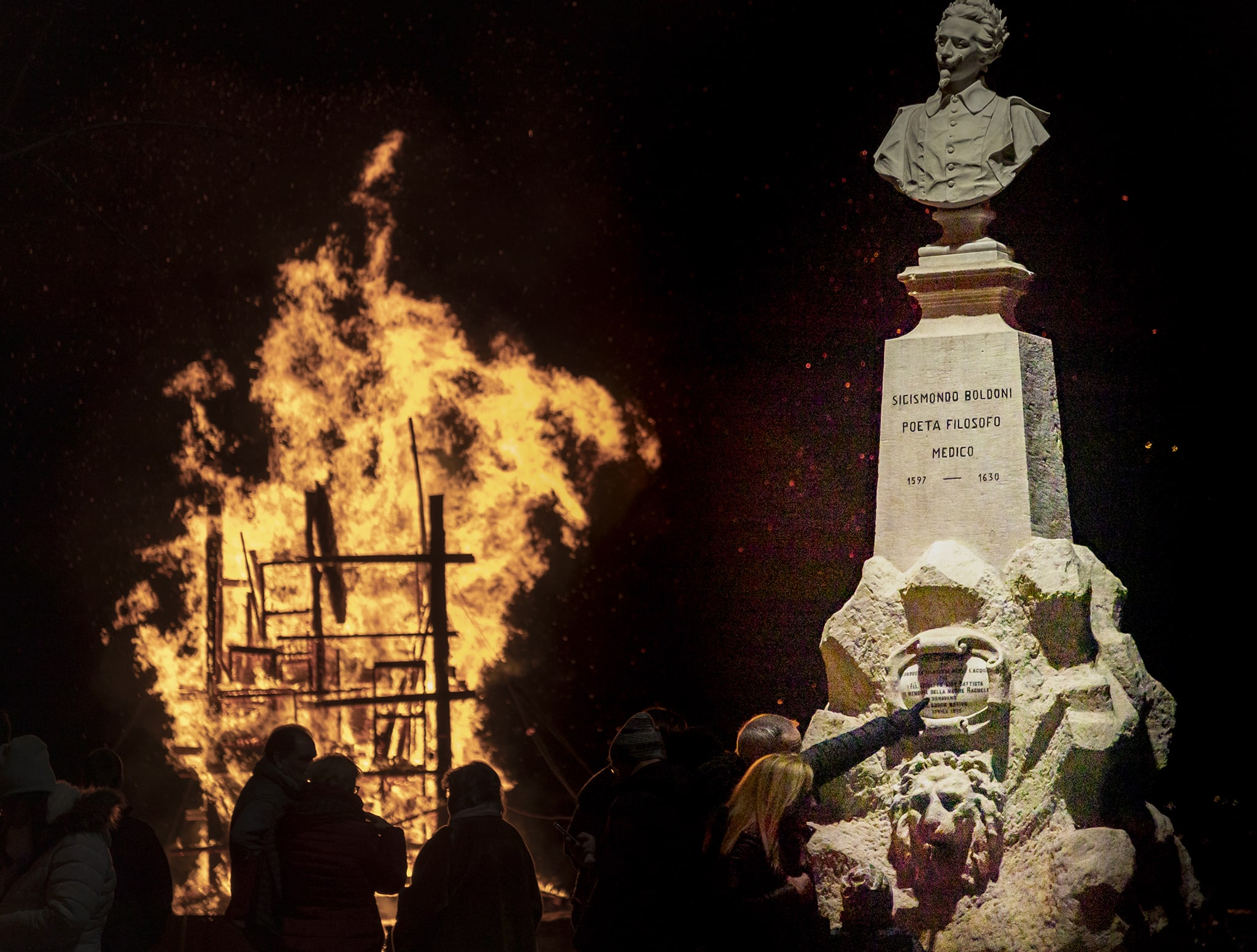
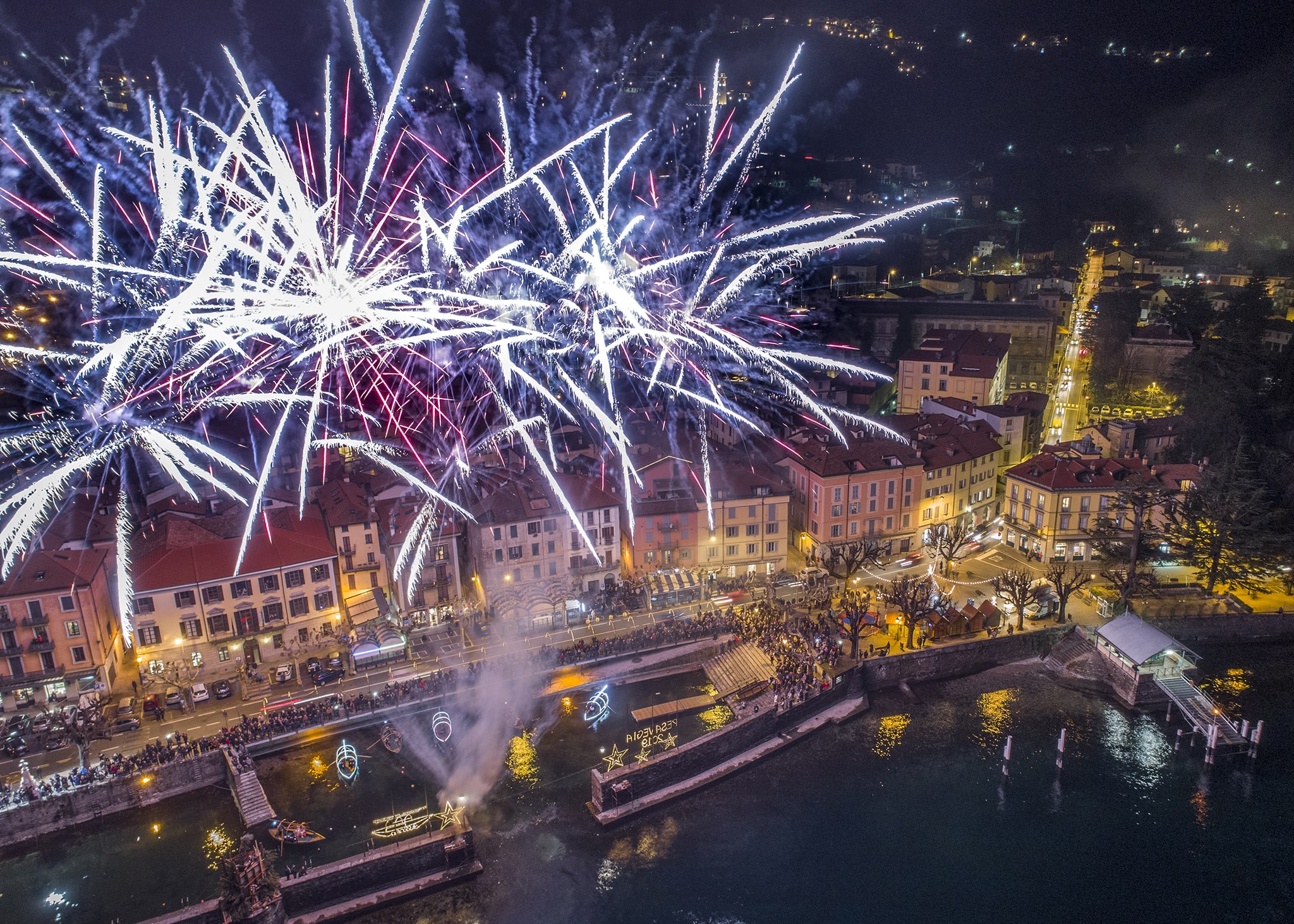
The atmosphere in the village was tense, awaiting the outcome of the expedition. From early afternoon, there was an unusual bustle in Puncia, and after sunset, the beach beyond the Pioverna stream was filled with men and women eagerly awaiting the arrival of the Governor, crouched around a bonfire. Darkness was falling, and the air was sharp and cold.

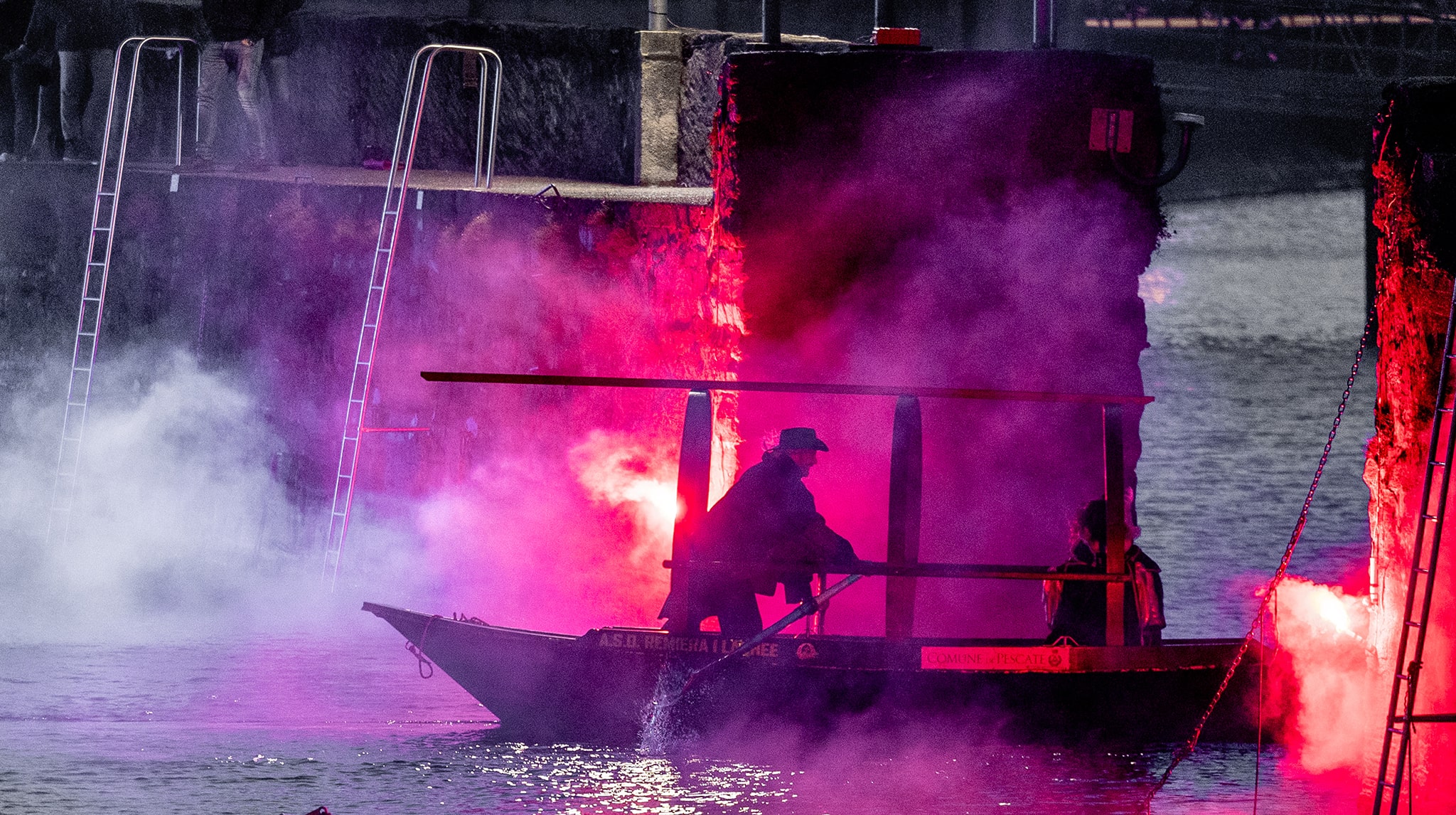
Suddenly, the sound of lapping water could be heard. The people of Bellano stood up and, at the sight of the gondola, shouted from the shore, “Pesa Vegia o Pesa Nova?” “Pesa Vegia” was the answer. The whole village rushed to the pier to welcome the Spanish messengers bearing the benevolent decree. Someone remembered that it was the eve of Epiphany and they began to stage a representation of the Magi walking through the streets of the village.

People of Bellano have celebrated this event every year for over four centuries, even in times of war and deprivation. Over the years, there have been many changes in the way the benevolent decree is celebrated, and so in the second half of the 20th century, some important innovations were introduced, which became fundamental elements of the Pesa Vegia: the Governor and the reading of the edict from the balcony of the Town Hall, the living nativity scene, initially consisting only of the nativity and the court of King Herod, which made its appearance in 1950.

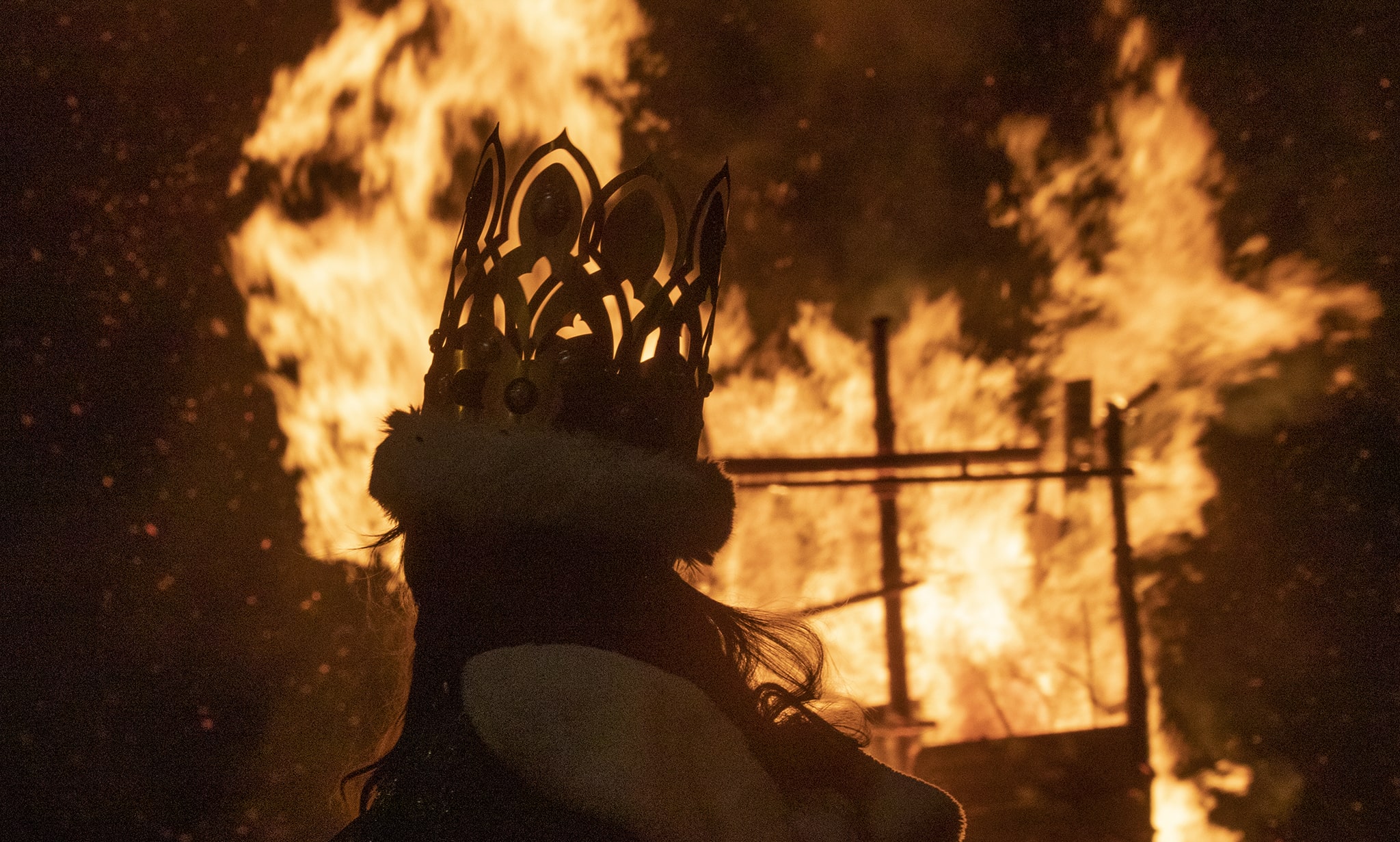
We can therefore say that Pesa Vegia consists of various moments and settings which, together, contribute to making this event so magnificent. Religious aspects such as the Three Kings, the living nativity scene, and King Herod’s Castle are combined with secular aspects. The latter are staged by the opening of the House of the Podestà, Signorotto di Bellano, by the traditional traino delle Pese, or race-parade, in which empty milk cans and other scrap metal are pulled through the streets of the town, and then by the actual re-enactment with the arrival at the historic pier of the Spanish delegation with the Governor aboard the Lucie (the typical traditional boat of the Lario area), welcomed by the Podestà with his entire entourage, who, in procession, reach the Town Hall for the proclamation of the edict.